Anthropic's Opus 5.5, released September 22, has spent the week being called the strongest video-generation model around, because it keeps producing things that look like video generation: IKEA manuals turned into narrated 3D walkthroughs, a San Francisco block rebuilt in Unreal Engine, a playable Dark Souls clone. But the label is wrong in a way that matters. Opus 5.5 doesn't output pixels. It writes code, and a browser or game engine renders that code into the scenes people are sharing. That distinction determines what it's actually good for.
What it built this week
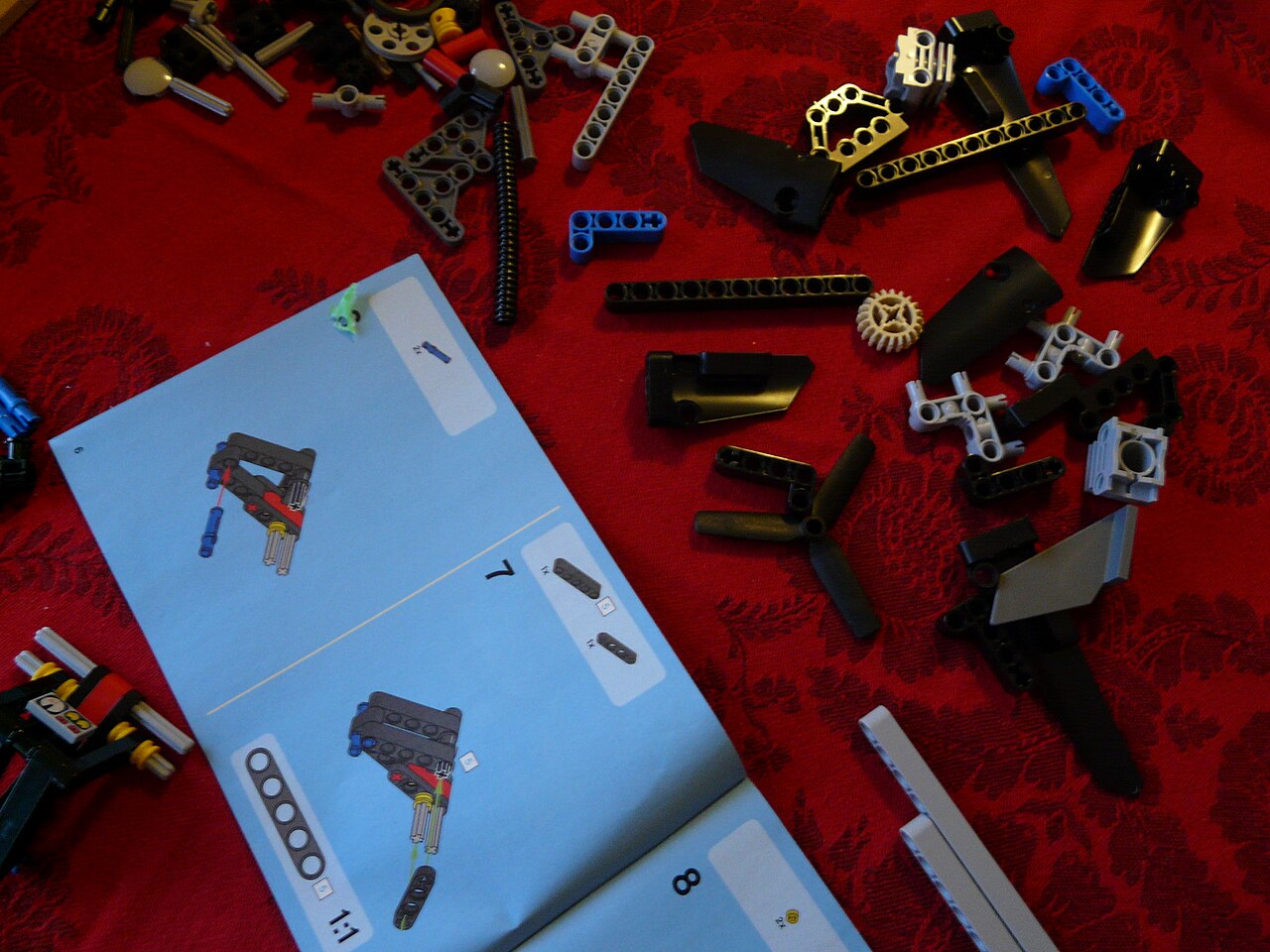
The most-shared case came from Victor Mustar, head of product at Hugging Face, who asked Opus 5.5 to design a life-size Lego version of Microduck, the bipedal robot Hugging Face built with Pollen Robotics. The model returned a design using 1,113 real, purchasable Lego parts, checked 3,204 connections plus collisions and center of gravity, produced a 141-page, 237-step instruction manual, generated a buyable parts list, and rendered its own demo video. The manual is on Hugging Face; whether the physical build actually holds together is still being verified.
A second case converted IKEA's famously wordless assembly manuals into 3D-animated tutorials with narration. Investor Deedy Das's reaction circulated widely: through code, Opus "overnight became a practically very useful video generation model."
The most aggressive test set Opus 5.5, GPT-6 Astra, and Fable 5.1 the same task: recreate the opening of Ocarina of Time without a stock engine, writing the game logic and visuals themselves. The result is far from a playable Zelda, but the shift in what people ask models to do is the story. Days ago the standard test was a pelican on a bicycle; now it's "design something that can physically be built."
Code as the middle layer
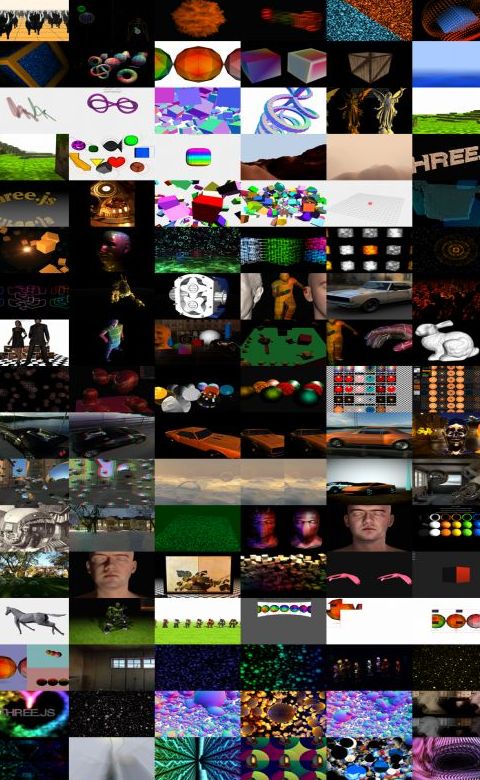
Strictly speaking this is "write code, render video," not "generate video." Opus 5.5's one-million-token context and 128,000-token output budget let it write an entire scene (geometry, animation logic, interaction) in one pass, which a browser or engine then executes.
That pipeline explains why its output feels different from Sora-class models. Text-to-video produces pixels you can't inspect; change the prompt and you reroll everything. Opus produces an auditable program: if a Lego part floats in the manual, there's a line of code to fix. Code becomes universal middleware, and the user never has to look at it.
The San Francisco demo had a collaborator
The cityscape recreation wasn't purely Opus. Its dynamic elements were handled by Jev, a "system-one" model from TypeSafe AI that doesn't generate language at all. It emits fast, schema-constrained decisions in parallel, reportedly up to 100x faster and cheaper than a general model for that class of micro-decisions. Opus acted as creative director writing high-level architecture and animation code; Jev made millions of low-level placement and state calls. The pattern, a big reasoning model orchestrating cheap specialist models, may matter more for developers than any single demo.
The numbers underneath
The measurable record is solid: first place on Code Arena WebDev, with coding and agentic capability clearly stepped up. API pricing is $4 per million input tokens and $20 per million output, over 30% faster and about 40% cheaper than Opus 5 for typical workloads, and roughly 60% below the runner-up GPT-6 Astra (Max).
Where it stops
Back to that Lego manual: people who read closely found floating parts and connections that never lock. Opus 5.5 packages an idea into something that looks finished; the gap between "looks buildable" and "actually buildable" still takes a human pass. The same applies to the videos: impressive renders, one engineering review away from production use.
That also clarifies who benefits: people who need an idea turned into an operable artifact: manuals, prototypes, interactive animations, executable visualizations. Anyone hoping it replaces a text-to-video model for footage is pointing at the wrong tool.
The part worth remembering
"What models can code" is quietly being redefined. The test used to be drawing a webpage or an SVG; now it's designing something that can be assembled in the physical world, with engineering checks, documentation, and a procurement list attached. Opus 5.5's significance isn't a new video model; it's a demonstration that the code-as-middleware route works, and every viral case this week is the same proof repeated.
Sources
- jiqizhixin/36Kr case roundup (Sept 28, 2026)
- Stork.AI mechanism and pricing analysis
- Original Microduck Lego manual on Hugging Face
- Anthropic's pricing page
All cases are community demos; physical results pending verification.